The 13-Year-Old Mufti: The Origins of Fatāwā al-Riḍawiyya
early years
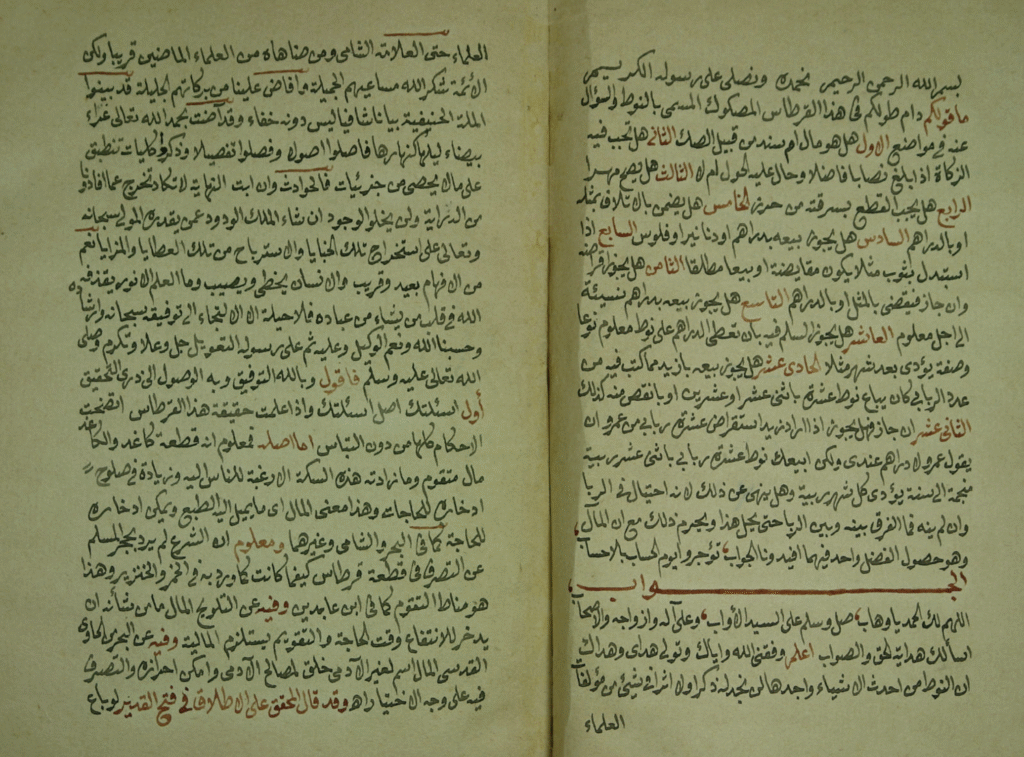
Unbeknownst to many, Imām Aḥmad Riḍā Khān’s journey in compiling his magnum opus ‘al-ʿAṭāyā al-Nabawiyya fī al-Fatāwā al-Riḍawiyya’ was one which began from his former years. At a tender age, he was engaged in sharpening his skills to become a proficient and adept muftī.
In its earliest conception, the book resembled a preparatory training course conducted by a scholar for his son. It was Mawlawī Naqī ʿAlī Khān, the father of Imām Aḥmad Riḍā, who directed questions to his son so as to train him in issuing legal fatāwā, while he himself assumed the role of supervisor and guide in the craft of issuing fatāwā.
Speaking of this period, Imām Aḥmad Riḍā said:
“My master and father, Mawlawī Muḥammad Naqī ʿAlī Khān al-Qādirī al-Barakātī—may Allah shower upon his noble resting place the abundant rains of His good pleasure now and in the future—appointed me to the office of issuing fatāwā on 14th Shaʿbān, the month of goodness and glad tidings, in the year 1286 AH. At that time, I had not yet completed fourteen years of age. Thus I began issuing fatāwā, while he—may his secret be sanctified—guided me whenever I erred.
After seven years (i.e., at the age of twenty), he permitted me to issue fatāwā and deliver answers without presenting them to him; yet I did not dare to do so until the All-Merciful took him back to Himself, at the end of Dhū al-Qaʿda in the year 1297 AH.”

Compiling a compendium
After meticulous training under the watchful eye of his father, Imām Aḥmad Riḍā became a formidable muftī with command over the intricacies of Fiqh. He devoted his time to teaching, writing, and addressing intellectual, social, and legal questions, receiving dozens of inquiries, requests for clarification, and scholarly problems every day.
Such a person who is consumed by a plethora of duties, often remains unaware of the importance of collecting and preserving these efforts.
Imām Aḥmad Riḍā, after several years had passed since the training phase he underwent under the supervision of his father and teacher, realised the necessity of writing down and recording this knowledge in order to preserve it from loss and oblivion—especially since many questions recur repeatedly. Consequently, he began keeping a copy of every fatwā he issued and every problem he answered. Concerning this he says:
“For approximately twelve years I paid no attention to collecting what I had issued in terms of fatāwā. Thereafter, if a question came from nearby regions or from distant lands ten times or more, I would record in the book only a single answer—unless there was some additional benefit, further return, or the occurrence of forgetfulness, from which scarcely any human being is free.”
And thus, the great ‘al-ʿAṭāyā al-Nabawiyya fī al-Fatāwā al-Riḍawiyya’ was compiled.
the method of formulating the fatwā
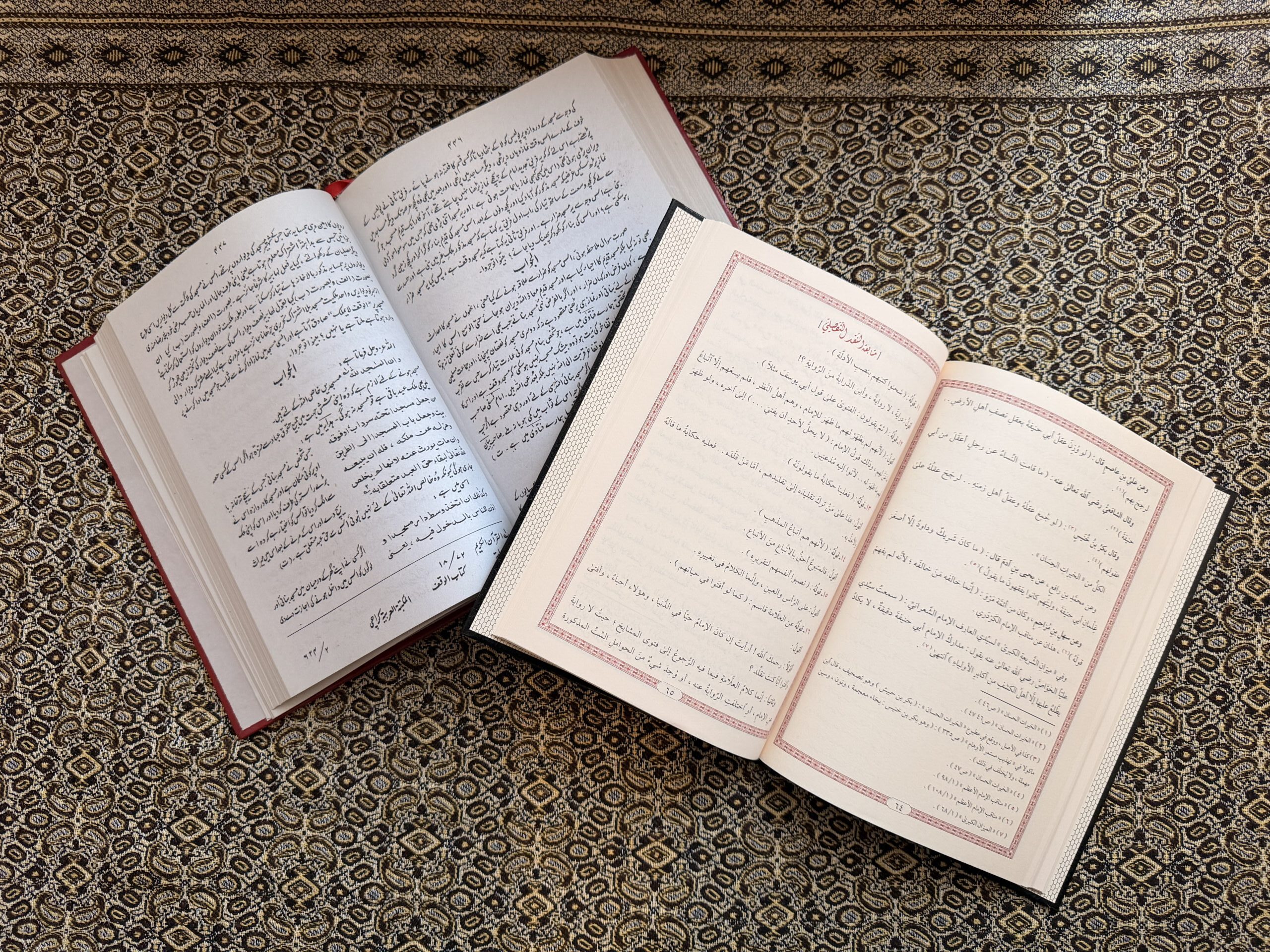
Throughout this work, method of formulation varies according to the issue presented to Imām Aḥmad Riḍā and according to the identity of the questioner. The response given to a layperson differs from that given to a scholar or a student of knowledge. A layperson seeks a concise answer, whereas a scholar or student desires careful analysis, evidentiary reasoning, or textual citations.
Note here, the calibre of the great Imām was such that noble scholars would seek his words to gain new found clarity on matters they had once assumed to understand.
The form of the response may also differ depending on the nature of the question: whether it concerns issues that generate considerable debate and require a decisive resolution, novel cases that demand theoretical grounding and precedence, or questions frequently discussed in the discourse of jurists.
Accordingly, the answers vary in length and brevity. Some fatāwā are so extensive that they amount to independent treatises, requiring their own titles. Indeed, some of these fatāwā circulated widely among scholars during Imām Aḥmad Riḍā’s own lifetime and were received with acceptance and approval. This method is not unprecedented. Among the distinguished precedents of Muslim scholarship is that of Imām Jalāl al-Dīn al-Suyūṭī in ‘al-Ḥāwī li-al-Fatāwī’, where some particularly extended fatāwā were given independent titles—appropriately so, in order to draw attention to their importance.